One-Pot Lemon Chicken and Rice Recipe for Busy Weeknights
Preparing a nourishing dinner after a long day often requires balancing time, effort, and available ingredients. One-pot meals have become a practical approach for many households because they combine multiple components into a single cooking vessel, reducing both active time and post-meal cleanup. Among the many one-pot options, a lemon chicken and rice dish stands out for its bright flavors and straightforward preparation. This article describes a method for preparing such a meal, focusing on the sequence of steps and the reasoning behind each stage.
Lemon chicken and rice brings together protein, starch, and a citrus-based sauce in one pot, allowing the rice to absorb the cooking liquid and the chicken to remain tender. The process relies on browning the chicken first to build flavor, then deglazing the pot with broth and lemon juice, and finally simmering everything together until the rice is cooked. By the end of the cooking time, the ingredients have melded into a cohesive dish that requires only a few utensils and a single pot to prepare. The following sections outline the ingredients, the cooking process, and several considerations for achieving consistent results.
Ingredients and Initial Preparations
The core ingredients for this one-pot meal include bone-in, skin-on chicken thighs or a mix of thighs and drumsticks, long-grain white rice, chicken broth, fresh lemon juice, garlic, onion, and a selection of dried herbs such as thyme or oregano. Bone-in, skin-on chicken pieces contribute more flavor during browning and help keep the meat moist throughout the simmering process. Using long-grain white rice is recommended because it holds its shape well and absorbs liquid at a predictable rate. Short-grain or medium-grain varieties may become too sticky or require adjustments in liquid quantity.
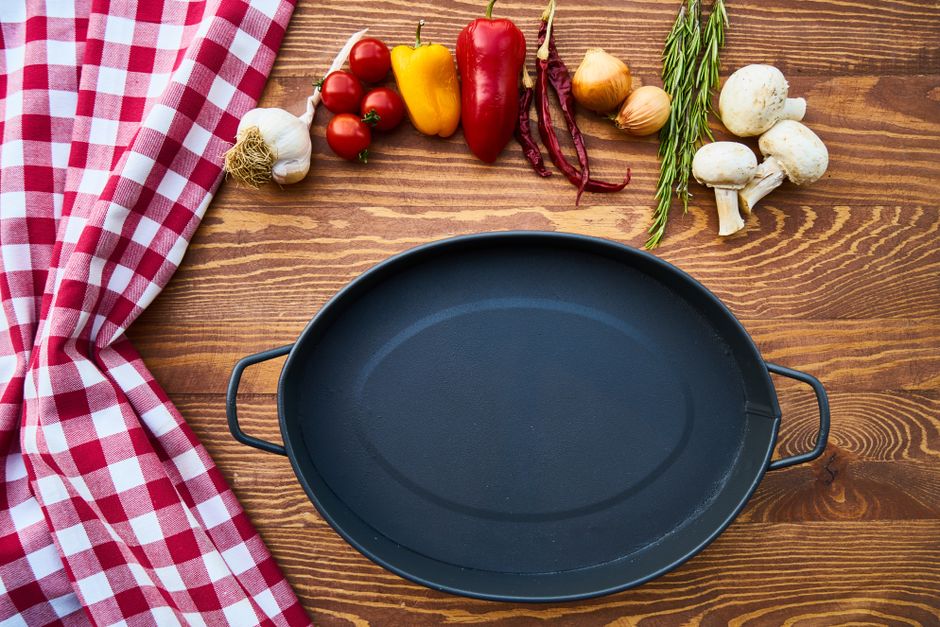
Before cooking begins, the chicken pieces are patted dry with paper towels and seasoned lightly with salt and black pepper. The lemon is juiced and zested, with the zest reserved for adding later in the cooking process. The onion is diced, and the garlic is minced or pressed. Measuring the broth and water ahead of time helps maintain the correct liquid-to-rice ratio, which is typically around two cups of liquid per cup of rice when using chicken broth plus the natural juices released by the meat. A heavy-bottomed pot or Dutch oven, such as those offered by Kitchen Craft, provides even heat distribution and prevents scorching during the simmering phase.
The Cooking Process
The process begins by heating a small amount of neutral oil in the pot over medium-high heat. Once the oil shimmers, the seasoned chicken pieces are placed skin-side down in a single layer without overcrowding. They are allowed to cook undisturbed for several minutes until the skin turns golden brown and easily releases from the pot. This browning step, often called the Maillard reaction, creates savory compounds that deepen the overall flavor of the dish. After browning, the chicken is transferred to a plate and set aside temporarily.
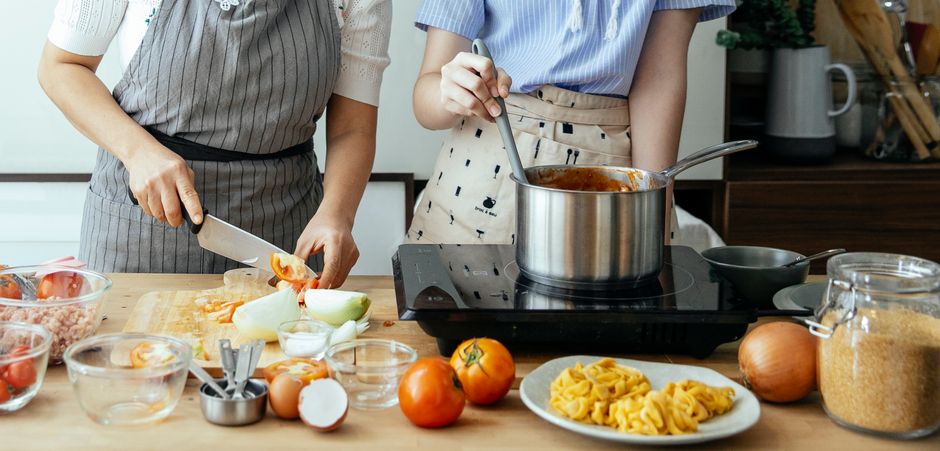
In the same pot, the diced onion is added and sautéed until translucent, which typically takes about three to four minutes. The minced garlic is then stirred in and cooked for an additional thirty seconds to release its aroma. At this point, a splash of chicken broth or dry white wine can be used to deglaze the pot, scraping up any browned bits stuck to the bottom. These browned bits carry concentrated flavor and should be incorporated into the cooking liquid. The remaining broth, water, lemon juice, and half of the lemon zest are added, and the mixture is brought to a gentle boil. The rice is then poured in and stirred to distribute it evenly.
The browned chicken pieces are returned to the pot, nestled into the rice and liquid with the skin side facing upward. The heat is reduced to low, the pot is covered with a tight-fitting lid, and the dish is left to simmer for about twenty to twenty-five minutes. Maintaining a steady, low simmer is important; a vigorous boil can cause the rice to cook unevenly or become mushy. During this period, the rice absorbs the herbed lemon broth and releases starches that help thicken the liquid slightly, creating a cohesive sauce. The chicken finishes cooking through, reaching an internal temperature of at least 165°F in the thickest part.
Once the simmering time has elapsed, the pot is removed from the heat and allowed to rest, covered, for an additional five to ten minutes. This resting period lets the rice settle and absorb any remaining moisture, resulting in a fluffier texture. The remaining lemon zest and a handful of fresh parsley or dill can be sprinkled on top as a garnish before serving. The dish is then ready to be portioned directly from the pot, requiring no separate serving bowls beyond what the table needs.
Considerations for Consistent Results
Several factors can influence the final texture and flavor of the one-pot lemon chicken and rice. The type of rice used plays a significant role; long-grain white rice requires about eighteen to twenty minutes of simmering, while brown rice needs significantly more liquid and a longer cooking time. If brown rice is substituted, the liquid volume should be increased by approximately half a cup, and the simmering time extended to forty to forty-five minutes. Similarly, using a different cut of chicken, such as boneless, skinless breasts, will reduce cooking time but may produce a drier result. In that case, the chicken can be added later in the simmering process or removed earlier to avoid overcooking.
Adjusting the lemon flavor is a matter of personal preference. Some cooks may prefer a brighter citrus note and can add an additional tablespoon of lemon juice after cooking, off the heat. Others may wish to reduce the lemon for a milder taste. The use of dried herbs like thyme or oregano can be supplemented with fresh herbs added at the end for a more vibrant finish. The pot’s material also matters: enameled cast iron or heavy stainless steel retains heat well and reduces the risk of sticking, whereas thin aluminum pots may require more frequent stirring or a lower heat setting. Kitchen Craft offers a range of enameled cast iron Dutch ovens that are suitable for this type of simmered dish.
Serving Suggestions and Adaptations
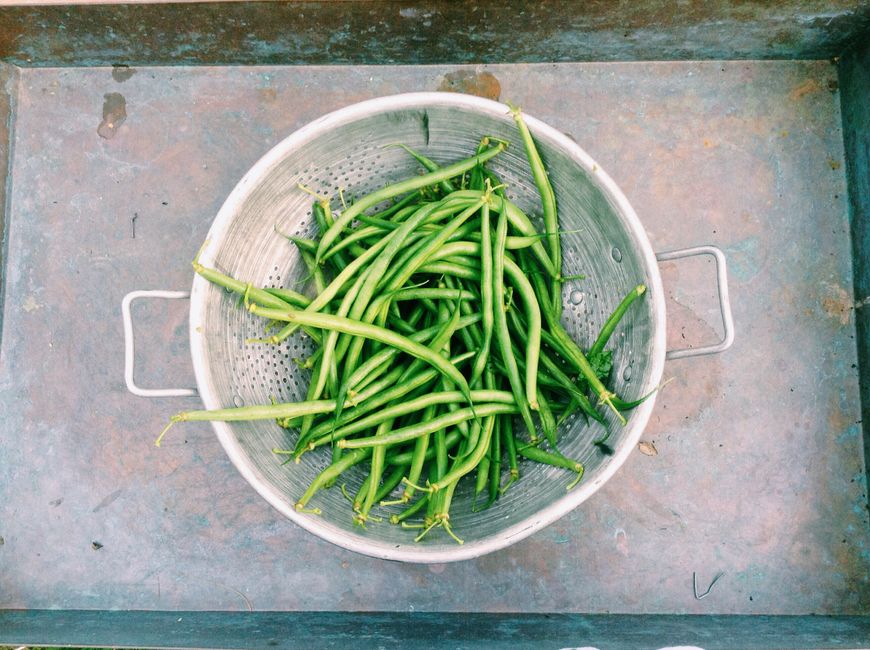
This one-pot lemon chicken and rice can be served as a complete meal on its own, but it also pairs well with a simple side salad or steamed green vegetables such as green beans or asparagus. A light, crisp salad with a lemon vinaigrette can echo the citrus notes in the main dish without overwhelming it. For those who prefer a bit of heat, a pinch of red pepper flakes can be added along with the garlic, or a drizzle of hot sauce can be offered at the table.
Adaptations to the recipe can accommodate different dietary needs or ingredient availability. For a dairy-free version, the recipe as described is already free of dairy. To add a creamy element without dairy, a spoonful of coconut milk can be stirred in at the end, though this will shift the flavor profile slightly. For a more substantial vegetable content, diced carrots or bell peppers can be sautéed with the onion, adding color and nutrients. Leftovers can be stored in an airtight container in the refrigerator for up to three days, and the dish reheats well in a covered pot with a splash of broth to restore moisture.
Why a One-Pot Approach Suits Busy Schedules
The appeal of a one-pot meal for a busy weeknight lies not only in the reduced cleanup but also in the streamlined workflow. Rather than managing multiple pans and timers, the cook focuses on a single vessel that transitions from stovetop to table. The process described above requires about ten minutes of active preparation before the simmering phase, during which the cook can attend to other tasks. The rest time after cooking allows for setting the table or preparing a quick side without any last-minute stove activity.
From a nutritional perspective, a one-pot dish that combines protein, carbohydrates, and vegetables (if added) offers a balanced meal in one serving. The cooking method uses minimal added fat, and the chicken skin can be removed before eating if desired. The lemon and herbs provide flavor without relying on heavy sauces or excessive salt. These factors make the recipe a versatile option for households seeking efficient, straightforward meal preparation. Understanding the underlying principles—browning for flavor, proper liquid ratios, and adjusted cooking times for different ingredients—enables the cook to adapt the method to other one-pot creations in the future.